

Syed Ali Shah:
QUETTA: A funding dispute has emerged over a major flood-rehabilitation programme in Balochistan, with the World Bank expressing concern about the decision to limit financing for housing reconstruction and the possible redirection of resources toward other development needs.
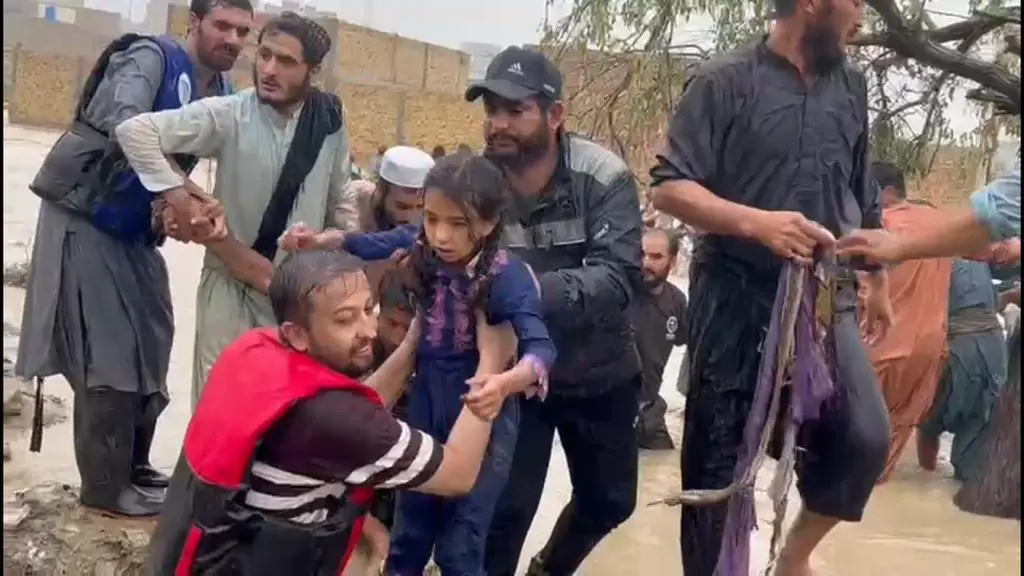
The issue is particularly significant for thousands of families whose homes were damaged or destroyed by floods and who were identified as eligible for assistance under the reconstruction programme.
According to World Bank figures, 119,049 verified and eligible households currently have no identified financing after the housing component of the programme was capped.
The affected households largely belong to economically vulnerable communities. The World Bank data shows that approximately 84 percent of eligible beneficiaries fall into the ultra-poor and vulnerable categories, with many families depending on daily-wage work for their livelihoods.
For such households, access to housing support is not merely a matter of rebuilding physical structures. A safe home is essential for restoring livelihoods, protecting children and elderly family members, and reducing the risk of families falling deeper into poverty after a disaster.
World Bank raises concerns over funding decision
The World Bank has reportedly objected to the change in the allocation of housing-related funds, warning that excluding eligible families could undermine the objectives of the broader reconstruction programme.
The concern comes at a time when Balochistan continues to face serious development challenges, including inadequate infrastructure, poverty and growing exposure to extreme weather events.
The government, meanwhile, has its own development priorities and faces significant pressure to invest in roads, public infrastructure and other facilities across the province.
However, the funding dispute raises an important question: can infrastructure development move forward without reducing assistance meant for families who have already been identified as eligible for housing reconstruction?
A new road may improve access to a village, but it cannot replace a safe home for a family whose house was destroyed by a flood.
Concerns over fraud need transparent investigation
The government has also expressed concerns about fraudulent or questionable claims within reconstruction programmes.
If irregularities have occurred, they should be investigated through a transparent and accountable process. Genuine beneficiaries should not be penalised because of fraudulent claims made by others.
Authorities can verify beneficiaries, investigate suspected fraud and recover misused funds while simultaneously protecting the rights of families who meet the programme’s eligibility criteria.
Government, World Bank urged to find solution
The current disagreement does not necessarily have to become a confrontation between the provincial government and the World Bank.
A joint review of the programme, beneficiary lists and available financing could provide a way forward. Such an approach could address concerns about transparency while also ensuring that legitimate flood victims are not excluded from reconstruction assistance.
For Balochistan, where poverty and natural disasters have repeatedly affected vulnerable communities, resilient housing remains a critical part of long-term recovery.
The priority should therefore be to find a solution that allows the government to pursue essential infrastructure projects while protecting funds and opportunities meant for the province’s poorest flood-affected families.
At the heart of the issue are 119,049 households waiting for a clear answer about whether the assistance they were deemed eligible to receive will ultimately reach them.