

KARACHI: Pakistan is expected to reduce petroleum product prices for the third straight week beginning May 29, driven by a sharp decline in global oil prices and lower import premiums, according to provisional calculations circulating in the oil sector.
The ex-refinery price of petrol is projected to fall by Rs8.54 per liter, while high-speed diesel could see a steeper reduction of Rs30.91 per liter in the upcoming pricing cycle.
The estimates, which exclude exchange-rate adjustments, are based on average international prices recorded between May 25 and May 29, an analyst said.
If approved, petrol ex-refinery prices would drop to Rs268.52 per liter from Rs277.06, and diesel prices would fall to Rs291.37 per liter from Rs322.28.
The government reduced the price of petrol by Rs6 per litre and that of high-speed diesel (HSD) by Rs6.80 last Friday. This was the second consecutive week in which the government has reduced fuel prices. Previous week, the prices of petrol and diesel were reduced by Rs5.
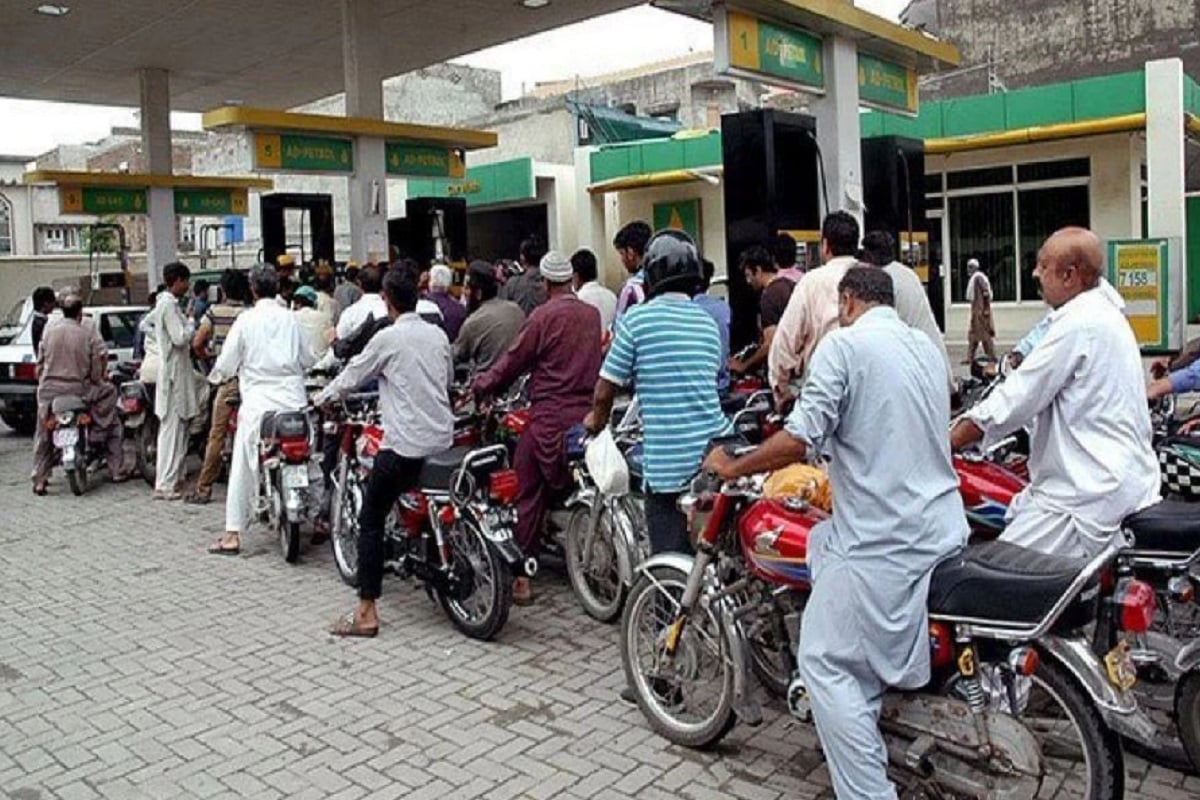
Petrol is mostly used in private transport, small vehicles, rickshaws and two-wheelers and has a direct bearing on the budget of the middle and lower-middle class. High-speed diesel is mainly used in the heavy transport sector and for large generators.
The government has been revising petroleum prices every week on Friday night following the now-paused US-Israeli war on Iran, which began on February 28. The war also led to a global fuel crunch caused by the closure of the Strait of Hormuz, through which one-fifth of the world’s supply of oil and gas used to pass in peace time.
Global oil prices have remained under pressure in recent weeks due to concerns over slowing demand growth, improving supply expectations, and uncertainty surrounding the pace of economic recovery in major economies. Benchmark Brent crude has traded lower than earlier this year, while refined fuel prices and freight costs have also weakened, according to market participants.
Industry officials said the sharp drop in diesel prices reflects a significant decline in global high-speed diesel prices, which fell by more than $17 per barrel during the review period.
The government will make the final decision after reviewing recommendations from the Oil and Gas Regulatory Authority (OGRA) and relevant ministries. The new prices, once approved, will take effect May 29.
Analysts said lower fuel prices could provide some relief to inflation and transport costs, though the government’s reliance on the petroleum levy to meet fiscal targets under an International Monetary Fund program may limit future reductions.
Separately, oil marketing companies reported a 7% drop in sales for April 2026 to 1.36 million tons, reducing 10-month fiscal year sales growth to 4%, or 13.76 million tons. The decline was led by high-octane (down 87%), kerosene oil (down 48%), high-speed diesel (down 12%), jet fuel (down 7%) and motor spirit (down 7%), according to industry data.
The drop primarily reflected a 50% jump in motor spirit prices during the first four months of 2026 and a 43% rise in diesel prices, along with reduced economic activity under austerity measures.
Refinery production, however, showed a strong recovery, rising 10.7% year-on-year in April to 993,000 tons, according to a report by Arif Habib Limited. High-speed diesel output increased 15.1% to 502,000 tons, and motor spirit rose 5.8% to 235,000 tons. Industry capacity utilization remained broadly stable at 58.1% in April, compared with 58% in March and 52.5% a year earlier.
Among key refiners, utilization rates were mixed: Attock Refinery operated at 59.4%, Pakistan Refinery at 76.1%, National Refinery at 62.4%, and Cnergyico PK Limited at 24.1%, reflecting structural inefficiencies.