
PUBLISHED
September 07, 2026
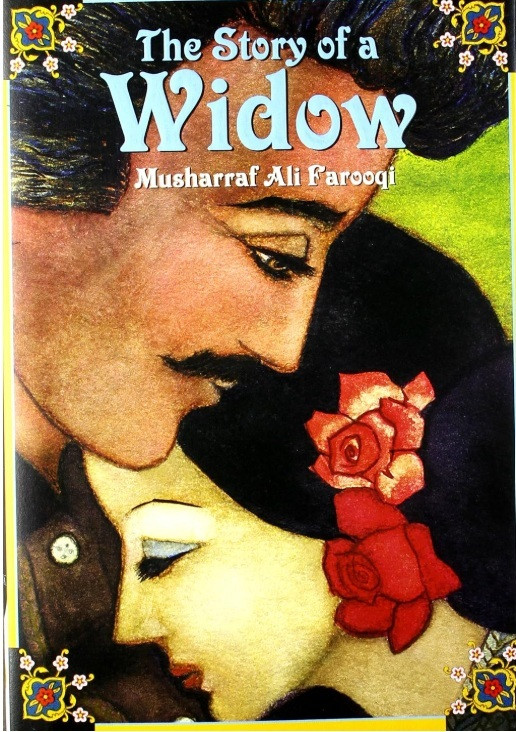
My first encounter with The Story of a Widow was in 2023. It had left me sitting with a sense of looming loneliness. Reading it this time around, that melancholy metamorphosed into an unfamiliar feeling of autonomy. The novel has drawn praise across three continents from The Edmonton Journal and The Georgia Straight in Canada to Dawn and India Today in South Asia and it is easy to see why. It is a story that manages a perfect balance of sharp social satire and a genuinely moving narrative of a woman in her fifties, learning how to want things again.
Musharraf Ali Farooqi is an internationally renowned author, storyteller, educator, and award-winning translator for adults and children, and an authority on Urdu Literature. Farooqi’s novel Between Clay and Dust was a finalist for the 2012 Man Asian Prize for South Asian Prize for Literature. The Story of a Widow, shortlisted for 2011 DSC Prize for South Asian Literature. In 2018, he founded STORYKIT which develops MCI method of interactive storytelling. He is a Fellow, Harvard University South Asia Institute and has served on the advisory board of SALT Project at the University of Chicago. Since 2023, has been the Executive Director of Pakistan Spelling Bee and is currently leading the PECTAA Urdu Curriculum Reform Committee for Primary Grades.
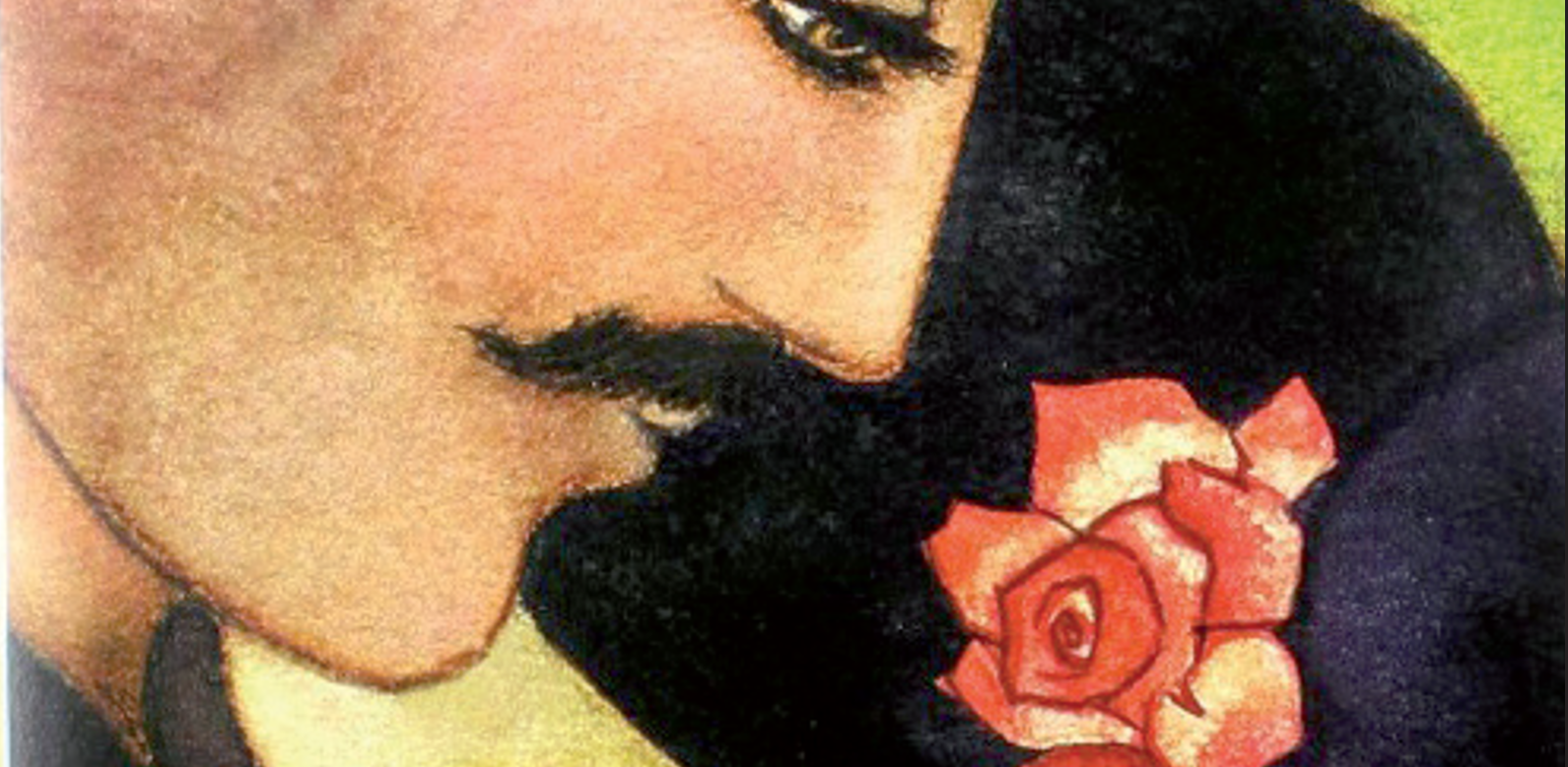
His author’s note in The Story of a Widow reveals the origin of the book. A portrait of a first husband hanging above a second husband’s chair, was encountered by the writer in someone’s living room in Toronto. This anecdote captures exactly what the novel does. It takes a small, uncanny and telling domestic image and unfolds from it an entire moral world.
At its core, The Story of a Widow is a witty comedy of manners. Farooqi takes the intimate story of one woman restarting her life and expands it into something far broader: a look at family, propriety, and the invisible architecture of patriarchy that dictates life for many middle-class South Asian women. The premise is simple. Mona, after thirty-one years of marriage to Akbar Ahmad, a stern and spectacular bore of a husband, becomes a widow. Her marriage is never painted as cruel, only airless. The prologue frames widowhood itself as an inciting incident. Akbar Ahmad’s death does not end Mona’s story; rather, it opens it. In the aftermath, she finds herself in uncharted territory with seemingly absolute control over her finances, her home, and perhaps, her life.
It is both funny and painfully relatable how quickly the people around Mona are certain they know what’s best for her. Into the fragile, newly found equilibrium of a woman who has just begun to rediscover herself, arrives Salamat Ali. He is an uncouth and vulgar suitor whose proposal sets off a slow-motion crisis. ‘Should a respectable widow remarry? What does she owe her daughters, her in-laws, her late husband’s memory? What, if anything, does she owe herself?’
There is no set answer to these rhetorical questions. Farooqi’s greatest achievement is refusing to let them resolve neatly. Part of what makes these questions so loaded are the double standard he lays bare through them. A remarrying widow is “looked down upon as a harlot,” while widowers are simply expected to find “virgin brides.” Mona’s caution, then, is less timidity than a rational response to a society that polices her far more than it ever polices a man.
Salamat Ali is not quite a villain and nor a prize. He is exactly the kind of catalyst Mona needed, not necessarily the partner. The writer is too clever to make this novel a simple cautionary tale about a woman who could have made safer choices. The novel’s real subject is the way a woman’s body, her choices, and even her grief become communal property, argued over, managed, and moralised about by everyone except the woman herself. It’s Hina, the central character’s sister who puts this plainly, telling Mona, “You cannot have everyone else’s happiness in mind as well when you go out seeking your own. It’s not as if what you wish to do with your life is going to take away anything from theirs.”
The novel’s structure traces gradual unravelling of the roles Mona has performed her whole life. She has been a dutiful wife, a defensive mother, and a respectable widow. Farooqi writes with what several reviewers have rightly called narrative clarity and restraint. There is little authorial editorialising, and the prose is spare and ironic. It is dialogue and the minutiae of domestic life such as tea trays, banarsi saris, gulab jamuns, near-missed Mughal-e-Azam cinema trip, ghazal mehfils gone wrong that are left to shoulder the emotional weight. The effect is closer comedy of manners than a melodrama, using it as a vehicle for showcasing genuine pain.
One of the novel’s most captivating presences who never utters a single word is Akbar Ahmad, whose portrait is hung silently on the living-room wall and presides over the household with a persistence no living character quite matches. The portrait becomes the novel’s central symbolic device. A silent, all-seeing husband whose expression Mona reads and re-reads according to her own guilt, desire, and defiance. It is a wonderfully economical piece of craft. Farooqi doesn’t need Akbar Ahmad’s ghost to speak. Mona’s projections onto an inanimate object do all the work. Akbar Ahmad’s painted face is anything but fixed. Readers first meet him “cast in an expression of long suffering” — the martyred countenance of a man perpetually wronged. Towards the end, that expression has turned into something far less sympathetic as he “wore a smug and vindicated look,” as though the portrait itself were keeping a score.
Written with comical precision, the supporting cast reveals an author with a real ear for the cruelties and comforts of extended desi family life. It is a realistic depiction of how concern curdles into surveillance; how love and control become indistinguishable. The Story of a Widow takes family seriously as both wound and refuge. If there’s a criticism to make, it is that the novel’s plotting occasionally leans on convenient escalation rather than organic momentum. The book is also, by design, narrow in scope. It stays almost entirely within Mona’s household and immediate family, which suits it, but means readers hoping for a broader social canvas of Karachi will find the frame tightly drawn and claustrophobic.
These are trivial criticisms against a novel that does exactly what it sets out to do, restore a woman’s interior life to her, in a world determined to negotiate it on her behalf. By its epilogue, Mona unspectacularly becomes someone new — no longer performing life for anyone’s approval but her own. I often think back to my initial read, and the sorrow it awoke in me before I realised what the story had to offer. Like Mona quietly tending her garden or taking the wheel during her driving lessons, returning to this novel became an act of rediscovering myself. The Story of a Widow reminded me that a book, like a life, can mean something entirely different every time you sit with it.
The writer holds a postgraduate certificate in Secondary English Education from the University of Sussex
All facts and information are the sole responsibility of the writer