

London, United Kingdom, Aug. 11, 2026 (GLOBE NEWSWIRE) —
Ask almost any logistics manager in the UK what keeps them up at night, and you’ll hear the same handful of complaints: delays that ripple through the whole schedule, fuel prices that never seem to go the right direction, not enough drivers to go around, and customers who expect their orders faster than ever. Transit Fleet has built its latest transport management strategy around solving exactly these problems, pairing practical planning experience with the kind of technology that actually gets used day-to-day, rather than sitting unused in a dashboard nobody checks.
The goal is straightforward: help businesses get deliveries where they need to go, on time, without the costs spiraling. Whether that means a single local run or coordinating distribution across the whole country, Transit Fleet builds its services around what a given business actually needs rather than a one-size-fits-all package.
Because here’s the thing about logistics right now – it’s not just about trucks and routes anymore. Companies want to know where their shipment is at 2pm on a Tuesday, not just whether it arrived by Friday. They want a partner who adjusts when a delivery window changes, not one who sends an apologetic email three days later.
What “Smarter” Actually Means Here
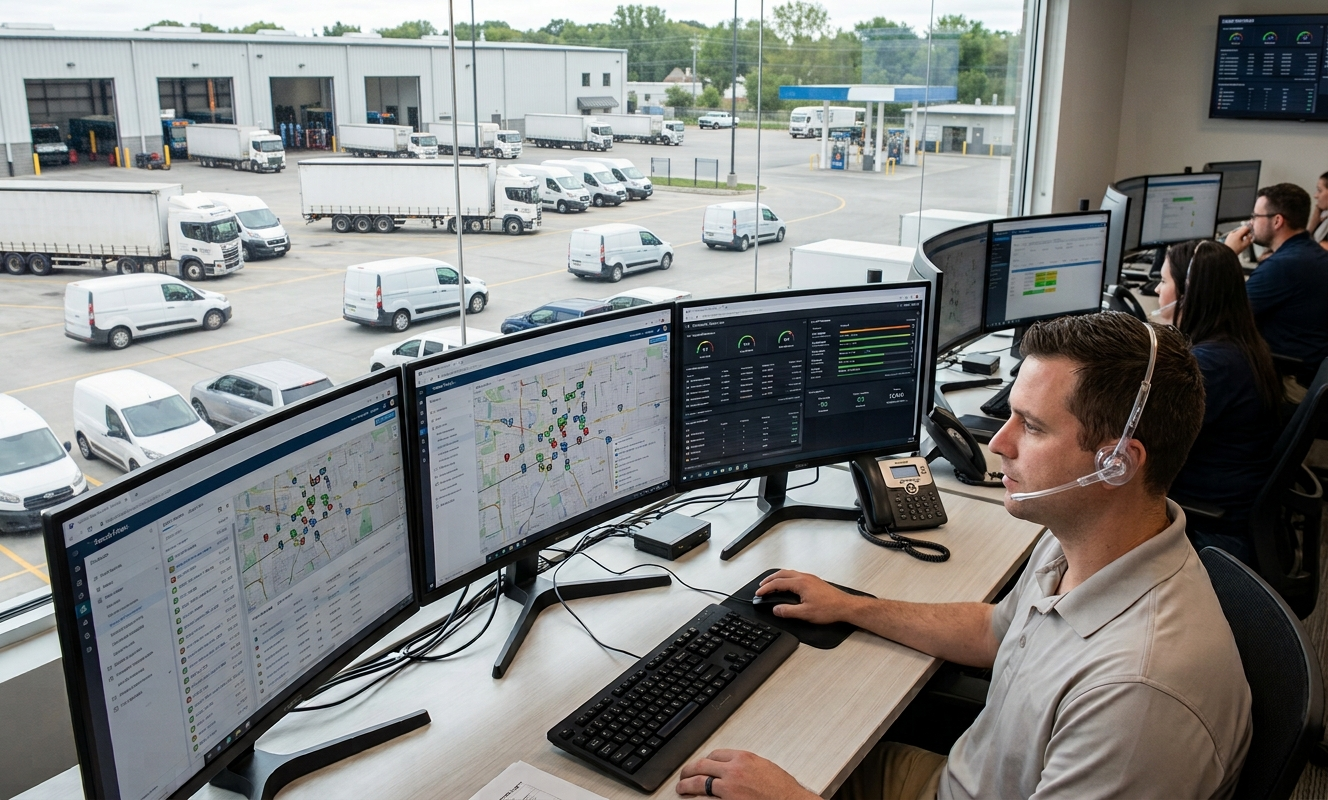
Everyone in this industry says they’re smarter and more efficient – it’s become a bit of a throwaway line. For Transit Fleet, it comes down to tightening each stage of the process: how routes are planned, how the fleet is coordinated on a given day, and how tracking data is returned to the customer. Small improvements at each stage add up to noticeably fewer delays and less firefighting.
The upshot for businesses is less time spent untangling logistics headaches and more time actually running the business.
Why This Matters More Than It Used To
The numbers behind the UK logistics sector tell their own story. The industry is worth over £185 billion, yet more than 70% of UK businesses say they’ve been hit by supply chain disruptions in recent years. Companies that have switched to digital transport management report efficiency gains of up to 25%, and smarter route planning alone can cut fuel use by as much as 20%.
Put simply: the businesses investing in better logistics planning aren’t just being trendy – they’re responding to a genuine cost and reliability problem.
Good Planning Fixes More Than People Expect
A surprising number of delivery delays trace back to something fairly mundane: a route that wasn’t planned well, a vehicle sitting idle when it should be on the road, or a communication gap between the warehouse and the driver. Transit Fleet’s planning approach targets these exact weak points, working to:
- Tighten up delivery schedules
- Cut down on vehicles driving around empty
- Get more out of each vehicle in the fleet
- Bring fuel costs down
- Help drivers work more efficiently
- Get orders there on time, consistently
None of this is glamorous work, but it’s usually the difference between a logistics operation that runs smoothly and one that’s constantly playing catch-up.
Knowing Where Your Shipment Actually Is
Nobody wants to tell a customer “it should be there soon” without actually knowing. Transit Fleet’s shipment visibility means businesses can check on a delivery in real time and react quickly if something changes, instead of finding out after the fact. That kind of visibility also makes the conversations between suppliers, transport teams, and customers a lot less awkward – everyone’s looking at the same information.
Different Industries, Different Needs
Retailers need speed. Manufacturers need supply chains they can count on without thinking about it. Construction firms need materials showing up on a schedule that matches the build, not before or after. Healthcare providers need supplies arriving reliably because delays there aren’t just inconvenient – they matter. Transit Fleet works across all of these sectors, shaping its transport solutions to whatever a particular industry actually requires, and scaling up or down as demand shifts.
Cutting Costs Without Cutting Corners
Fuel prices and general operating costs haven’t been kind to logistics businesses lately. Transit Fleet’s approach to controlling costs leans on a few consistent levers:
- Smarter routing
- Getting more use out of each vehicle
- Less time spent waiting around
- Tighter scheduling
- Better delivery planning overall
Done well, these changes lower costs without customers noticing any drop in service – which is really the point.
Where Technology Actually Helps
Digital tools have changed what businesses expect from a logistics partner: accurate reporting, live updates, scheduling that doesn’t need constant manual adjustment, and insight into what’s actually working. Transit Fleet builds this kind of technology into everyday operations rather than treating it as a separate add-on.
| What the Technology Does | What It Means for the Business |
| Route optimization | Deliveries arrive faster |
| Fleet monitoring | Vehicles perform better, longer |
| Real-time tracking | You know where things are |
| Delivery scheduling | Less manual juggling |
| Digital reporting | Clearer picture of what’s happening |
| Performance analytics | Lower costs over time |
The point isn’t technology for its own sake – it’s cutting down on manual work while making the service more dependable.
Staying Competitive in a Crowded Market
Competition among UK businesses hasn’t let up, and customers have gotten used to fast, accurate, and dependable delivery as the baseline expectation rather than a bonus. Companies that tighten up their logistics tend to have an edge simply because they can deliver faster and run leaner. That’s why Transit Fleet’s transport management solutions across the UK are designed to support businesses facing exactly this kind of pressure. Through its transport management services, the company helps businesses manage fleets, plan routes, and adapt delivery strategies without needing to build all of that expertise in-house.
Built Around the Client, Not a Template
Every business runs a little differently, and Transit Fleet’s approach starts with actually understanding how a given client operates before proposing anything. That groundwork tends to pay off in a few concrete ways: fewer delivery errors, smoother day-to-day operations, happier customers, and simpler planning overall. The partnerships that last are the ones built on consistent, transparent service – not a flashy pitch that doesn’t hold up after month two.
Sustainability as a Side Effect of Doing Things Well
It’s worth pointing out that a lot of the sustainability benefit here comes almost automatically. Cutting unnecessary mileage and improving fuel efficiency isn’t just good business – it also means fewer emissions. Transit Fleet doesn’t treat this as a separate green initiative bolted onto the business; it’s simply what happens when transport planning is done properly.
Looking Ahead
Logistics will keep changing as technology develops and customers expect more. The businesses that get ahead of that curve now – rather than reacting to it later – tend to be the ones still standing when the next disruption hits. Transit Fleet’s focus stays the same either way: practical transport planning, dependable fleet services, including a reliable van delivery service, and a willingness to adapt as the industry moves, all aimed at helping UK businesses grow without logistics being the thing holding them back.
About Transit Fleet
Transit Fleet provides transport management and logistics services to businesses across the United Kingdom, covering fleet management, delivery planning, transport coordination, and broader logistics support. The focus throughout is on reliability and genuinely useful technology – not flashy features, but the kind of operational improvements that show up in lower costs and fewer headaches.
Frequently Asked Questions
What is transport management?
It’s the ongoing work of planning, coordinating, and tracking how goods move from one place to another – while trying to keep costs down and efficiency up.
How can transport management solutions actually help a business?
Mainly through better routes, lower fuel spend, faster deliveries, fleets that aren’t sitting idle, and a clearer view of where shipments are at any given moment.
What kinds of industries does Transit Fleet work with?
Retail, manufacturing, healthcare, construction, wholesale distribution, and e-commerce businesses across the UK, among others.
What exactly is third-party logistics (3PL)?
It’s outsourcing the logistics side of the business – transport, warehousing, distribution, supply chain coordination – to a provider who specializes in it, rather than building that capability internally.
Why work with Transit Fleet specifically?
Because the combination of industry experience, practical technology, and genuinely tailored planning tends to translate into lower costs and better service – not just on paper, but in how deliveries actually go.
Media Contact
Website: https://transitfleet.co.uk/
Email: info@transitfleet.co.uk
Phone: +44204538 4002
Information contained on this page is published by SP Tech Solutions and content provided by authorized third party content provider. SP Tech Solutions and this Site make no warranties or representations in connection therewith.
CONTACT: Website: https://transitfleet.co.uk/

Email: info@transitfleet.co.uk

Phone: +44204538 4002